
Black metal has historically been a genre of frozen landscapes, misanthropy, and shadows. But Los Angeles quartet Agriculture is here to shatter that cold paradigm, replacing grim despair with what they call «ecstatic black metal»—a sonic search for light, community, and transcendental joy through absolute loudness. Following the release of their monumental record, ‘The Spiritual Sound’, we sat down with bassist and vocalist Leah Levinson to explore how extreme noise can become a form of radical healing, the band’s West Coast roots, and why sometimes, the only way out of the fire is to dive right into it.
The story of Agriculture doesn’t start in a secluded cabin in the woods, but in the vibrant, chaotic noise scene of Los Angeles. What began as a loose creative partnership between drummer Kern Haug and guitarist/vocalist Dan Meyer quickly transformed into a shared obsession with the sublime. The duo was searching for a way to channel heavy music not as an outlet for destructive rage, but as an expression of spiritual ecstasy.
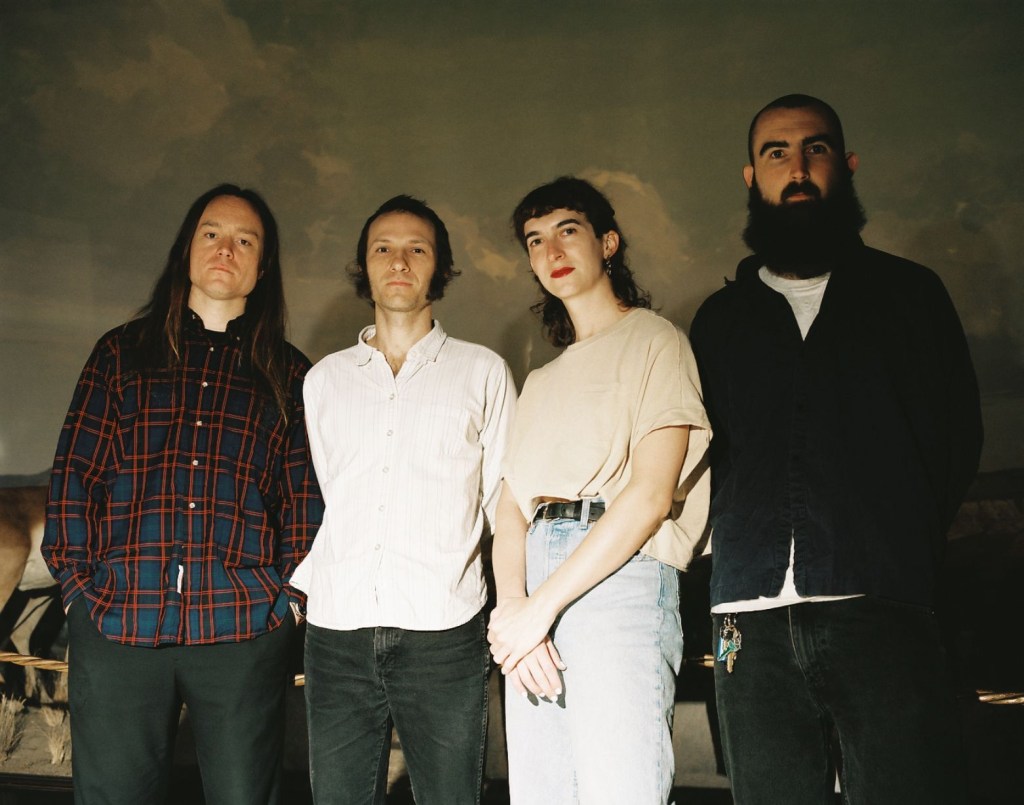
When guitarist Richard Chowenhill and bassist/vocalist Leah Levinson joined the fold, Agriculture solidified into its current, boundary-pushing form. Signing to the prestigious label The Flenser, the band quickly gained a reputation as one of the most forward-thinking acts in modern metal. By dismantling the elitist, often exclusionary tropes of traditional black metal, they managed to build an aesthetic that feels remarkably human, collaborative, and warm—a literal «cultivation» of hope amid the noise.
Dualities and Devotion: The Spiritual Sound
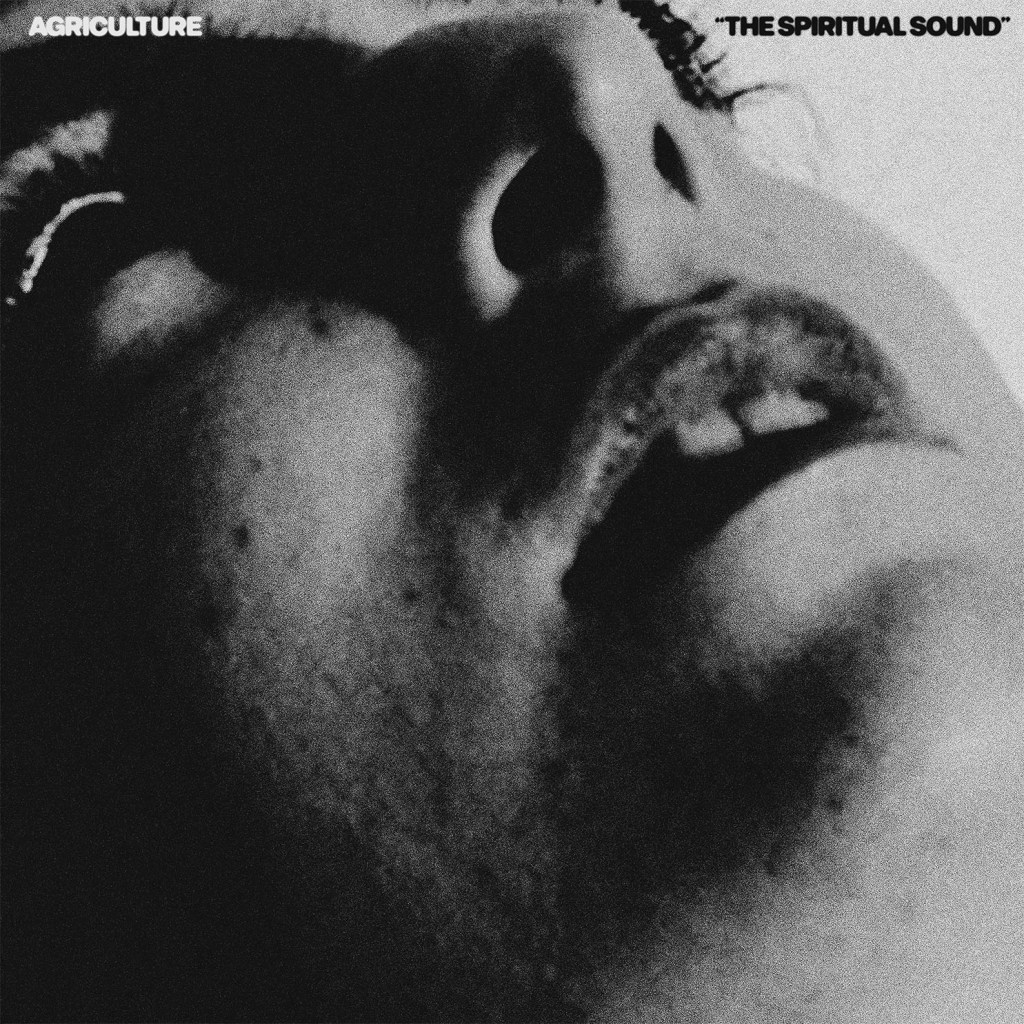
If their self-titled debut was a proof of concept, their latest record, The Spiritual Sound, is a fully realized masterwork of dualities. The album behaves like a conversation between its two primary songwriters, Dan Meyer and Leah Levinson. Where Dan’s contributions claw toward the divine through the lenses of Zen Buddhism and ecstatic grief, Leah’s songwriting brings the record back down to earth, grounding it in queer history, the weight of survival, and the everyday rituals of community care.
Musically, The Spiritual Sound refuses to settle into background noise. It is an album that juxtaposes blistering blast beats and throat-shredding screams with moments of crystalline, ambient tenderness and acoustic warmth. By choosing to record and mix the record collaboratively, the band captures the raw, imperfect, and intensely intimate energy of four people creating art in a room together. It is heavy music that doesn’t offer a cheap escape from suffering; instead, it demands that we stay fully present within it.
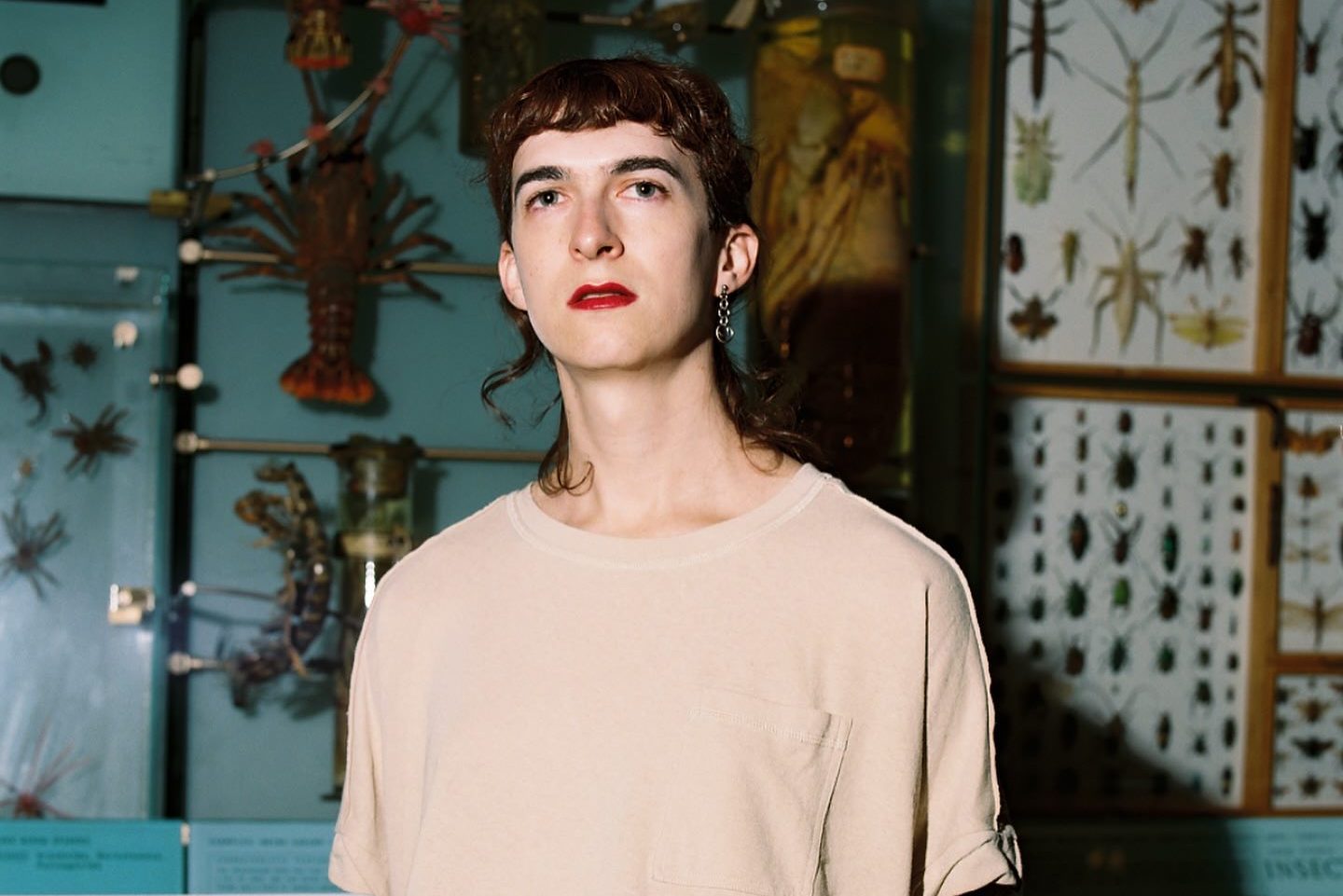
To understand how these extreme dualities coexist and how a band can make some of the heaviest music of the year feel like a warm embrace, we spoke with Leah Levinson, bassist and vocalist.
Why «Agriculture»? In a genre where names usually evoke death or destruction, you chose a process of growth and patience. Does this relate to your songwriting process?
We liked the way it sounded and chose it intuitively based on all its associations. It was one of those things that just felt right.
You’ve defined your music as «Ecstatic Black Metal.» The genre is often associated with misanthropy, but you seem to be searching for the light. Is noise your form of meditation?
It’s a way of accessing something beyond what is offered in daily life. Modern life offers a very narrow and often shallow field of experiences and we want to make music that pushes beyond that.
What was the transition like from being outsiders in the Los Angeles scene to becoming one of the most talked-about names on a label like The Flenser?
It’s something we hugely appreciate and come to terms with every day. When you make art that resonates with others, it’s hard to understand the impact it has, even when you are told directly. We have loved working with the Flenser and love so many of our labelmates and just feel extremely fortunate to be doing what we do.
In ‘The Spiritual Sound,’ the repetition and textures feel more polished than in your debut. Were you looking for a more physical experience for the listener?
We were definitely thinking about groove more with Spiritual Sound. We wanted the music on this album to be more instant, and groove can be a great way to accomplish that. If people are moshing or headbanging or dancing you can get away with a lot musically, and that was one thing that was exciting to us.
The title of the EP is quite a statement of intent. What is the «spiritual sound» to you? Is it a specific frequency or a state of mind?
To me, it is a sound that arises from following our creative intuition. It comes from a balance of earnestness and playfulness and a commitment to expressing heartfelt themes in a serious way. Our intention is to present something that can be engaging and maybe even overwhelming while striking a listener on a deeper, emotional and spiritual level.
Your music feels very «Californian.» Do you think the West Coast sun has permeated your sound in the same way the cold did for Norwegian black metal?
It might be hard for us to recognize that sensibility simply because we are from California. Our sound just comes from us following our intuition. I do think different regions and cultures inspire different aesthetic choices, so it makes sense that ours would intrinsically sound different from the classic Scandinavian sound.
How do you balance melodic beauty with those gut-wrenching screams to ensure the result is euphoria rather than melodrama?
Often, when I’m working on a song, I think generally about what sort of temperament I want it to have and what range of emotion I want it to express. I often avoid melodrama and like things to stay partially detached, even when they are somewhat extreme. I think humor and subversion help to do this, sort of undercut or redirect the emotions. I think harmonic dissonance can also “cool off” a melody or progression, like pouring water on a fire, the kindling might still be quite hot but the bombast of the fire might go away.
You’ve shared the stage with very diverse bands. How do «purist» metal fans react when they see that Agriculture isn’t there to talk about the apocalypse, but about ecstasy?
I think a lot of metal fans have been open to it when they see that we are extreme and challenging in different ways. We know we don’t always look the part, but if people look past the surface details they can recognize that the fact we are doing things differently is a challenge of its own.
Is the live show an extension of the spiritual ritual you present on the records? Do you seek a communal connection with the audience?
The live show is a big part of what it’s all about for us. We want to be engaged when we perform so that people can experience something they don’t experience in daily life. Challenging music, long sets, and moments of improvisation are ways we stay engaged with what we are doing on stage and we hope it draws the audience in to a larger communal experience.
Where is the «crop» growing now? Are you afraid of getting stuck in the «positive black metal» label, or will the next step be even more experimental?
We want to go deeper into some of the areas we explored on Spiritual Sound and stretch out more. I think it will be even more challenging and even more instantaneous at the same time. As we grow I think it will only get clearer what it is we can uniquely do as a band.
To wrap up: if you had to explain to a Zen monk what you do on stage with distorted guitars, what words would you choose?
I’m the least educated in Zen practice and philosophy of everyone in the band, but my personal answer would be that I seek to achieve and maintain a state of presence when I play, and that the loud instruments and extreme music are incidental to that.


